
Understanding the psychological impact of gambling on decision-making processes
The Psychology of Gambling and Its Influence on Choices
The psychology of gambling is intricately linked to the decision-making processes individuals undertake when faced with gaming scenarios. One prominent aspect is the concept of risk-taking behavior, where gamblers often feel an adrenaline rush that influences their choices. This heightened state of arousal can lead to impulsive decisions, overshadowing rational thought. Gamblers may chase losses or continue betting in the hope of a big win, demonstrating how psychological factors can override logical reasoning.
Moreover, cognitive biases play a significant role in gambling. Gamblers often fall prey to the illusion of control, believing they can influence outcomes through their actions, despite the random nature of many games. This belief can lead to overconfidence in their abilities, further clouding their judgment. The result is a cycle where emotional highs and lows dictate decisions, leading many to engage in problematic gambling behaviors.
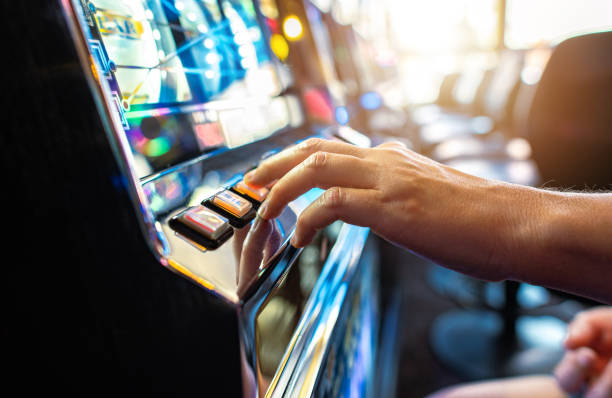
Social influences also contribute to the psychological impact of gambling. Individuals may be swayed by friends or societal norms that glamorize gambling as an exciting and potentially lucrative activity. This social reinforcement can lead to poor decision-making as individuals prioritize the need for acceptance over rationality, often resulting in an escalation of gambling behavior that may compromise their well-being.
The Role of Luck versus Skill in Gambling Decisions
In the realm of gambling, distinguishing between luck and skill is pivotal to understanding decision-making processes. Many players enter games believing that skill can influence outcomes, particularly in games like poker or blackjack, where strategy plays a significant role. This belief can lead to a more calculated approach to betting, where players evaluate their chances based on their understanding of the game. However, the role of luck cannot be underestimated, particularly in games of chance like slots or roulette, where outcomes are completely random.
The tension between luck and skill often impacts a gambler’s confidence and decision-making. When outcomes do not align with skillful play, it can result in frustration and subsequent reckless decisions, as players attempt to regain control over their losses. Conversely, periods of good fortune may encourage overconfidence, prompting players to engage in riskier bets, driven by the illusion that their success is a result of skill rather than luck.
Understanding this dynamic is essential for both casual players and those who gamble more seriously. Recognizing when luck is at play can help individuals make informed decisions, potentially curtailing excessive gambling. This awareness encourages responsible gambling, as players learn to assess their capabilities realistically and appreciate the inherent randomness of many gambling activities.
The Emotional Impact of Gambling on Decision-Making
The emotional highs and lows of gambling profoundly affect decision-making processes. Winning can evoke feelings of euphoria and elation, leading players to make impulsive decisions based on the heightened mood rather than sound judgment. Conversely, losses can incite feelings of anxiety, disappointment, and even anger, which often drive individuals to chase losses in an attempt to regain what was lost. This emotional rollercoaster can cloud judgment, impairing the ability to make rational choices.
Additionally, the psychological phenomenon known as “loss aversion” plays a critical role. People tend to feel the pain of losses more intensely than the pleasure of gains. This aversion can lead to skewed decision-making, where players may hold on to losing bets in the hope of a turnaround, delaying logical exit strategies. The emotional burden of losses can create a vicious cycle, where the fear of loss prompts riskier decisions and continued gambling.
Furthermore, the emotional impact of gambling extends beyond individual choices, affecting relationships and social interactions. As gamblers prioritize their gaming experiences, they may neglect personal responsibilities or engage in deceitful behaviors to fund their habits. This shift in focus can lead to significant emotional distress, further clouding judgment and exacerbating the cycle of poor decision-making associated with gambling.
The Influence of Environmental Factors on Gambling Decisions
The environment in which gambling occurs significantly influences decision-making processes. Factors such as the ambiance of a casino, the presence of fellow gamblers, and marketing strategies all contribute to the psychological state of a player. Bright lights, sounds of ringing machines, and the buzz of excitement create a stimulating atmosphere that can impair rational thought. The sensory overload often encourages impulsive betting as players seek to replicate feelings of excitement.
Moreover, peer pressure and social dynamics in gambling settings can lead to altered decision-making. Being surrounded by enthusiastic or victorious players may entice individuals to take bigger risks or continue playing longer than intended. This phenomenon highlights how social contexts can impact gambling behavior, encouraging people to prioritize social acceptance over rationality, which can lead to negative consequences.
Marketing strategies also play a significant role in shaping decisions. Promotions and advertisements often highlight the potential for significant wins while downplaying the risks involved. This skewed portrayal can mislead individuals into believing that gambling is a reliable way to achieve financial success, further influencing poor decision-making and potentially leading to addiction.
Pistolo Casino and Responsible Gambling
exemplifies the importance of a responsible gambling environment, aiming to provide a secure platform where players can enjoy their gaming experiences without falling prey to the psychological traps associated with gambling. The casino emphasizes the significance of understanding one’s limits and encourages players to make informed decisions. Through various resources, players can access information about responsible gambling practices and set personal limits to enhance their gaming experience.
The platform also integrates features designed to promote safer gambling, such as self-exclusion options and personalized account management tools. These tools empower players to take control of their gambling habits, fostering a healthier relationship with gaming. By prioritizing player well-being, contributes to a more responsible gambling culture, allowing individuals to engage in their favorite games without compromising their mental and emotional health.
Ultimately, the psychological impact of gambling on decision-making processes is profound, and platforms like are dedicated to promoting an understanding of these factors. By providing resources and support, they help players navigate the complexities of gambling, ensuring that their experiences are enjoyable and within the boundaries of responsible gaming practices.